


01/06/2026
Sustainability from the source: the commitment behind our coffee
For us, exceptional coffee is born from respect for the land. Conducting the activity responsibly means looking within each property, where the preservation of forests ensures ecological balance and social well-being. Below, explore the sustainable practices that underpin this dynamic and protect the crop
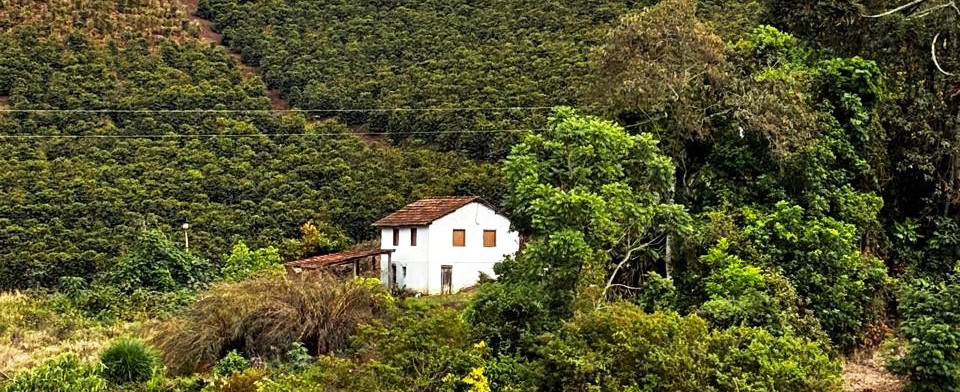
Sítio Cafundó , located in Poço Fundo - MG
In the specialty coffee market, transparency and traceability are indispensable. In Brazil, respect for the environment is supported by legislation through the "Forest Code" (Law No. 12.651/2012). This law establishes criteria for the economic use of land, ensuring that agricultural development goes hand in hand with the conservation of local biodiversity.
The "Legal Reserve" mandates that every property (located in biomes such as the Atlantic Forest or the Cerrado) must maintain and protect at least 20% of its total area with native vegetation cover. In addition to this reserve, the law guarantees protection for riparian forest areas (vegetation along the banks of rivers and streams) and the surroundings of river springs. In this case, any management or cutting requires a government inspection and a technical project to ensure that local fauna and flora are not negatively impacted.
Far from being merely a bureaucratic obligation, maintaining these green areas brings direct benefits to coffee cultivation. Native vegetation acts as a natural regulator, retaining soil moisture. This improves water infiltration and storage, ensuring water supply and distribution throughout the year. In practice, this balance reduces the impacts caused by extreme weather events, lessening the effects of prolonged droughts and preventing erosion or flash floods during periods of high water. The result is a more resilient, healthy, and productive coffee plantation.
In addition to protecting forests, sustainable coffee farming prioritizes pesticide-free cultivation as an essential strategy for water security. Avoiding the use of these chemicals prevents soil and groundwater contamination. In this way, springs and watercourses on the properties are protected from residues, maintaining a healthy ecosystem. (lalalallalalallalalallalallalallalalalalllalalalalalallalallalalalallalalalallaalalalalalallalallalalalallalalalallaalalalalalallalallalalalallalalalallaalal) -edit
%20(2).jpg)
Coffee plantation surrounded by native vegetation
The rural communities and coffee-growing families who live and work in the region depend on these same springs and waterways for their daily consumption, food preparation, and subsistence. Protecting the native forest and the purity of the water ensures water security and quality of life for these populations, consolidating the balance between agricultural activity and social well-being in the countryside.
References:
Legal Reserve Area - Embrapa Portal. Available at: https://www.embrapa.br/codigo-florestal/area-de-reserva-legal-arl . Accessed on: June 1, 2026.
BRAZIL. Law No. 12,651, of May 25, 2012. Provides for the protection of native vegetation; amends Laws Nos. 6,938, of August 31, 1981, 9,393, of December 19, 1996, and 11,428, of December 22, 2006; repeals Laws Nos. 4,771, of September 15, 1965, and 7,754, of April 14, 1989, and Provisional Measure No. 2,166-67, of August 24, 2001; and provides other measures. Official Gazette of the Union, Federative Republic of Brazil, Brasília, DF, May 28, 2012.
Moreira, Cassio Franco; Paiva, Artur Orelli; Diniz, Caio Vinícius Cintra. Climate and water for sustainable coffee farming . Machado: Brazilian Organic Coffee Farming Association, 2017. v. 1, p. 44. Accessed on: June 1, 2026.